Every stage of geothermal development, one modelling partner.
We work across the full lifecycle of a geothermal field — from screening a country for undiscovered resource, to the well log that confirms a producer is on target.
AI Favorability Mapping
We fuse public geological, geophysical, geochemical and remote-sensing data with machine learning to rank geothermal favorability across entire regions — surfacing undrilled prospects across Latin America before a single exploration well is spudded.
© OpenStreetMap contributors
Click a project, on the map or in the list, to see its status and figures.
Field status and figures from public sources (operator/press releases, academic country updates) as of 2026 — not derived from our own analysis. Favorability tiers (dot colour) are illustrative, not a computed model output.
Geologic & conceptual models
3D structural and conceptual geological models built in Leapfrog® and GemPy, integrating surface geology, well data and regional structure into a shared framework for the reservoir team.
Geophysics & geochemistry integration
Interpretation of resistivity, gravity, seismic and fluid-chemistry surveys, integrated directly into the conceptual and numerical reservoir models.
Well targeting
Candidate well locations and trajectories ranked against the geologic and numerical models, balancing resource temperature, permeability and drilling risk.
Well design
Trajectory, casing and completion design for exploration, production and injection wells, matched to the expected downhole pressure and temperature regime.
Reservoir simulation & modelling
Physics-based natural-state and production simulation with HPC-scale uncertainty quantification — our founding discipline.
See methodology →Well testing & equipment design
Full engineering design — CAD drawings, specifications and P&ID flow configurations — for downhole and surface well-test equipment, validated with CFD and proven through real flow, injectivity and completion testing programs.
Well-test equipment, engineered by us.
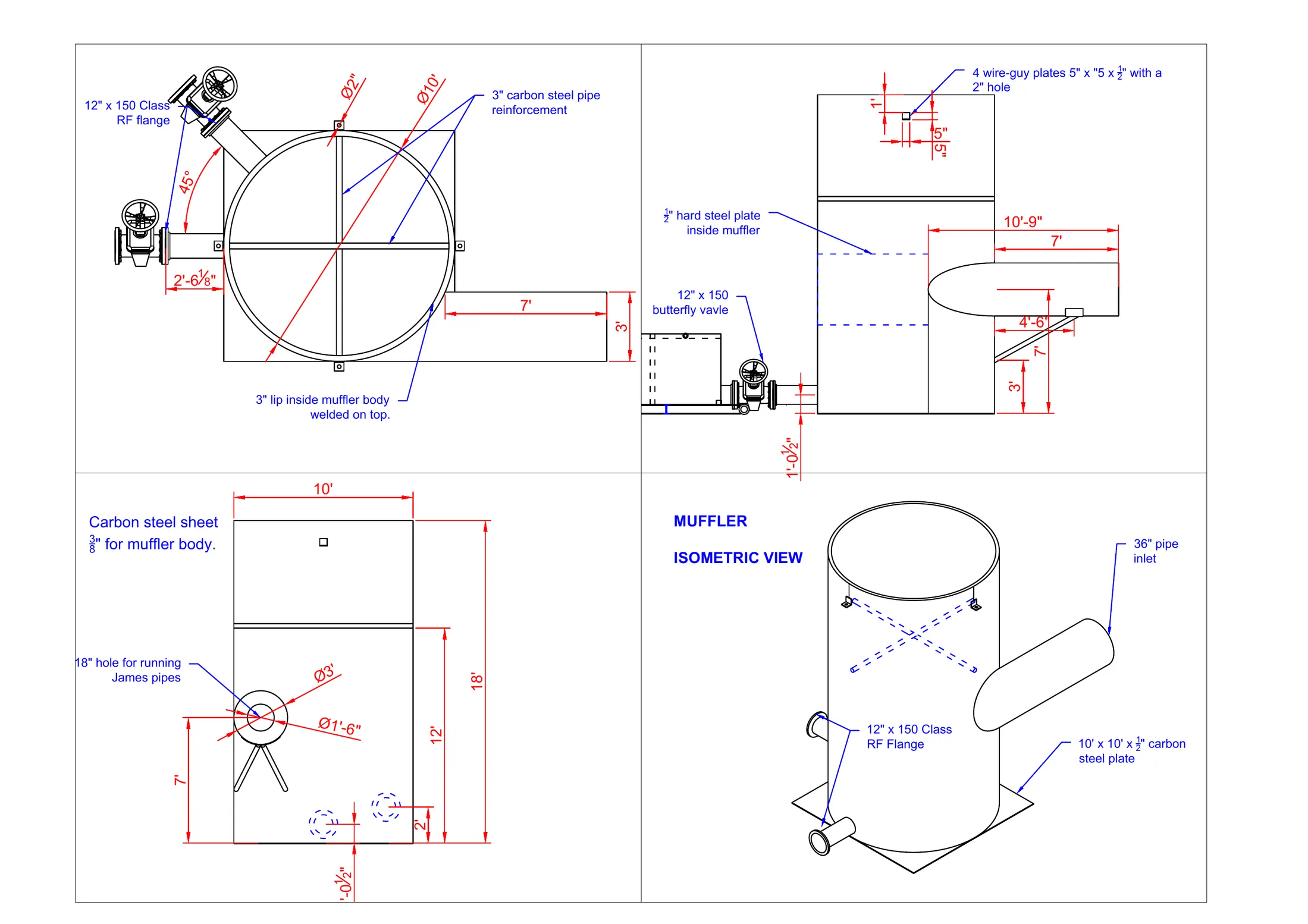
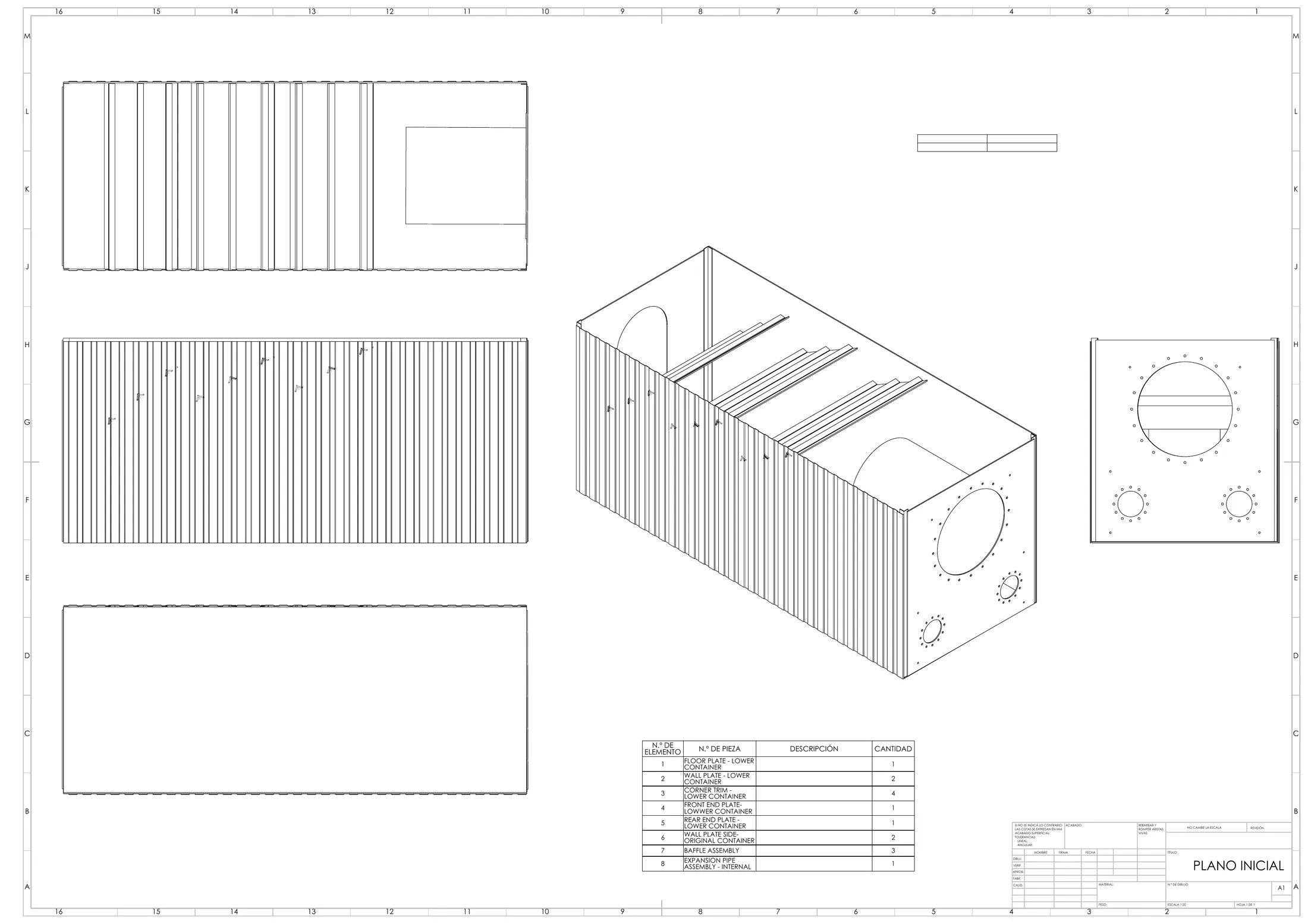
Engineering drawings from flow-test and logging programs we've run — designed in CAD and validated with CFD before build. Click any drawing to enlarge. Identifying field and client names have been removed; the engineering is unchanged.
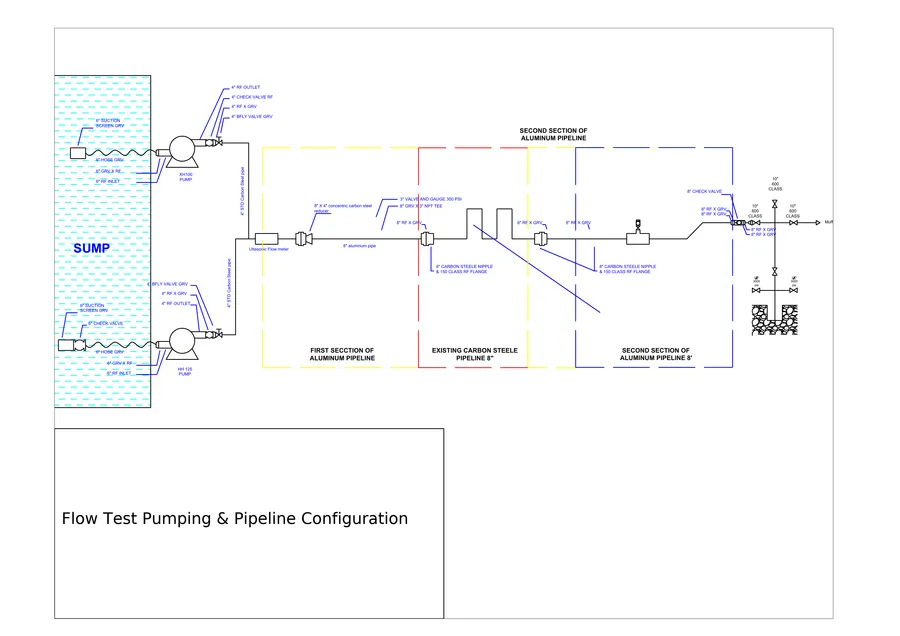 Flow-test pumping & pipeline configuration (P&ID)
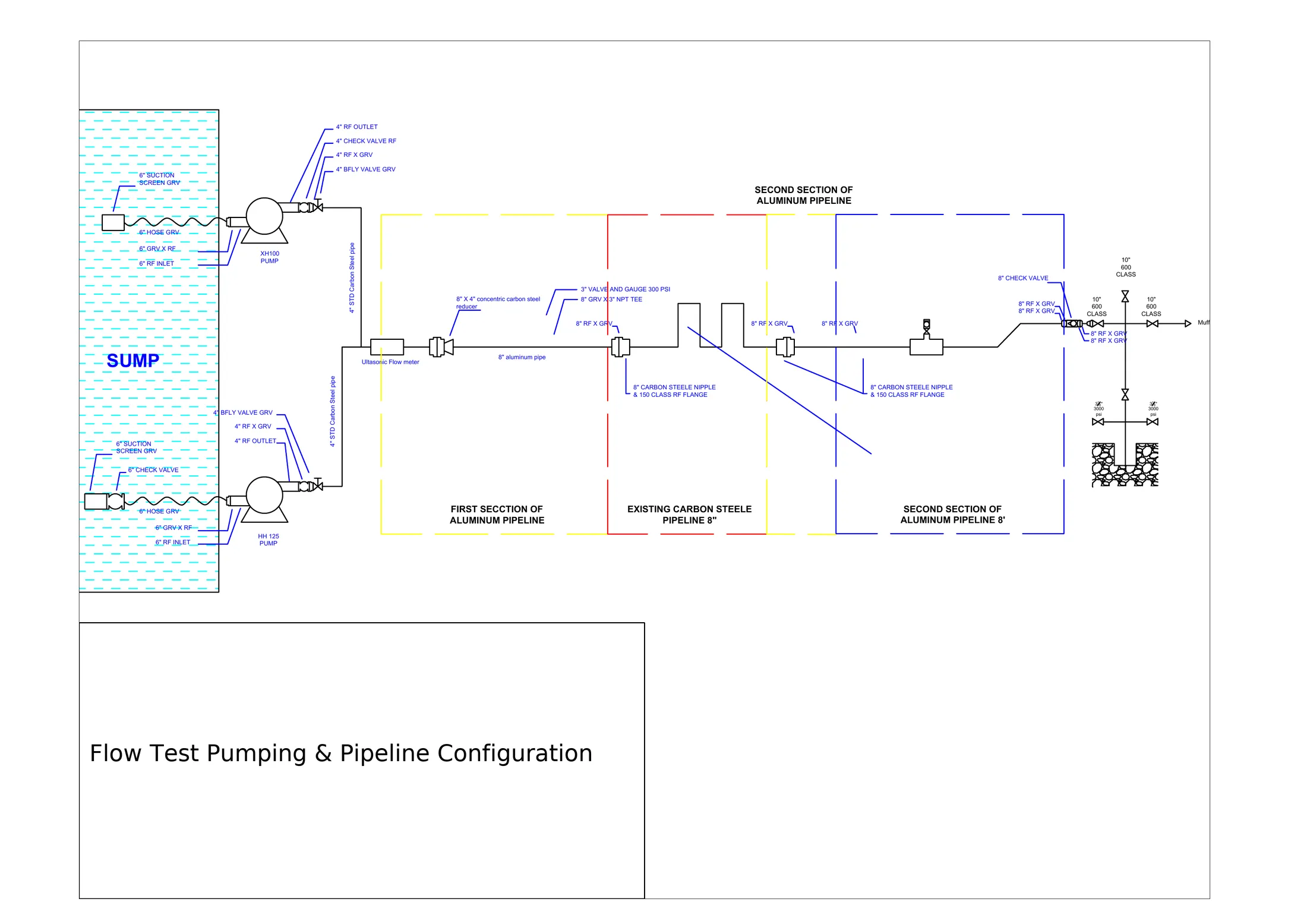
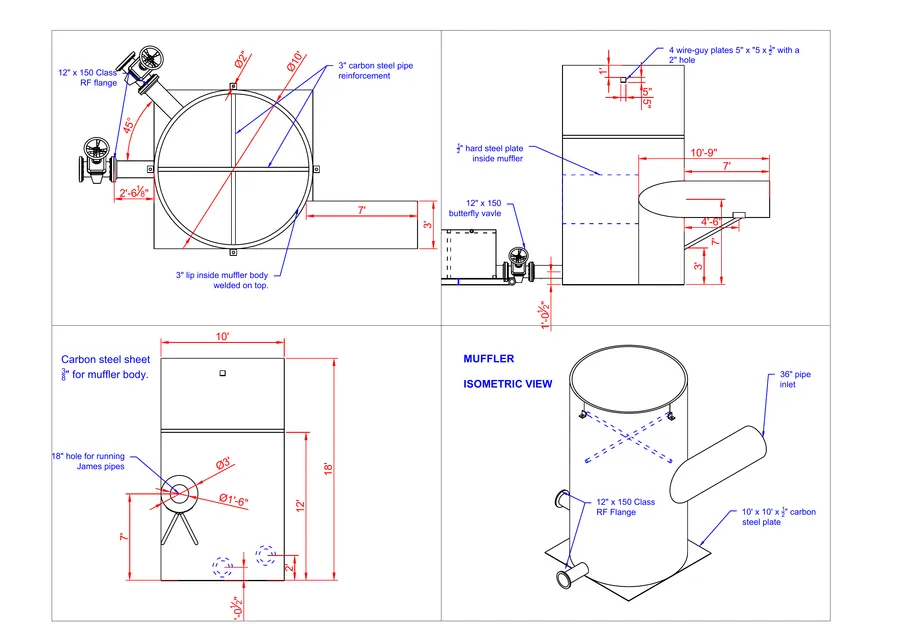 Muffler — engineering drawing
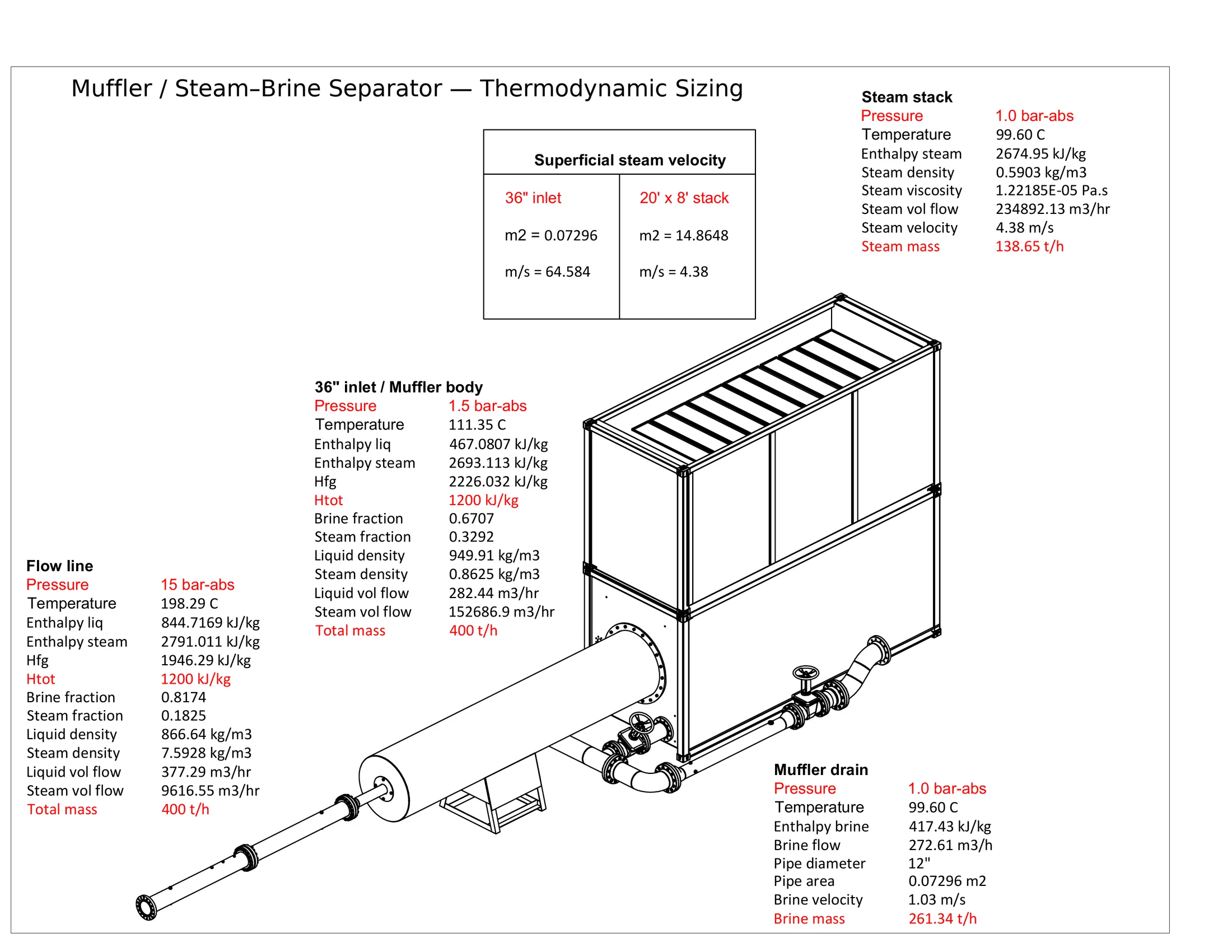
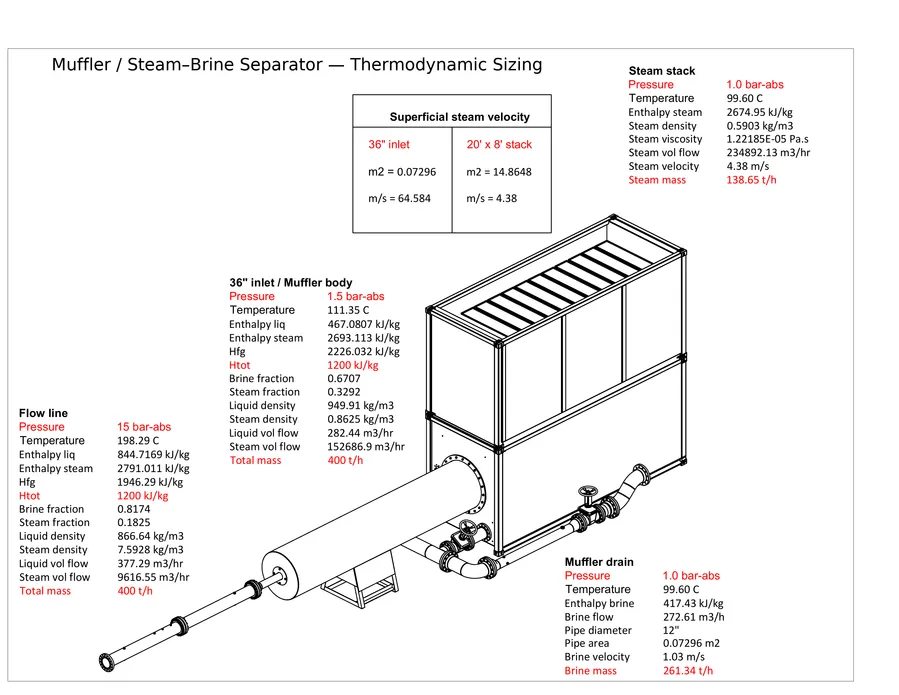 Muffler — thermodynamic sizing
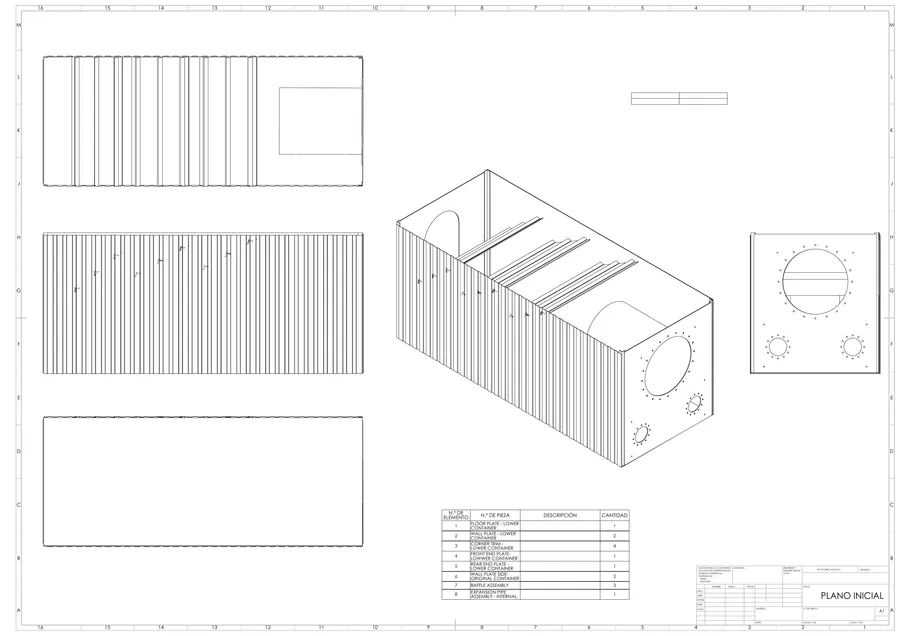 Muffler — container assembly, initial design
From the flow line to the stack: a real muffler sizing calculation
Hover or tap any stage for the full state point. Two-phase fluid flashes further as pressure drops toward atmospheric, then the muffler mechanically splits it into two pure streams — mass is conserved end to end.
Wellhead flow line
Muffler body, 36" inlet
Steam → stack
Brine → drain
From our own muffler thermodynamic sizing work — site and client identifiers removed; the physics and all numeric values are unchanged.
Wellbore modelling
Transient, multi-feed wellbore simulation — two-phase flow, counter-flow, start-up and shut-in behaviour inside the well itself — built on a transient wellbore simulator developed at the University of Auckland.
Meet our team →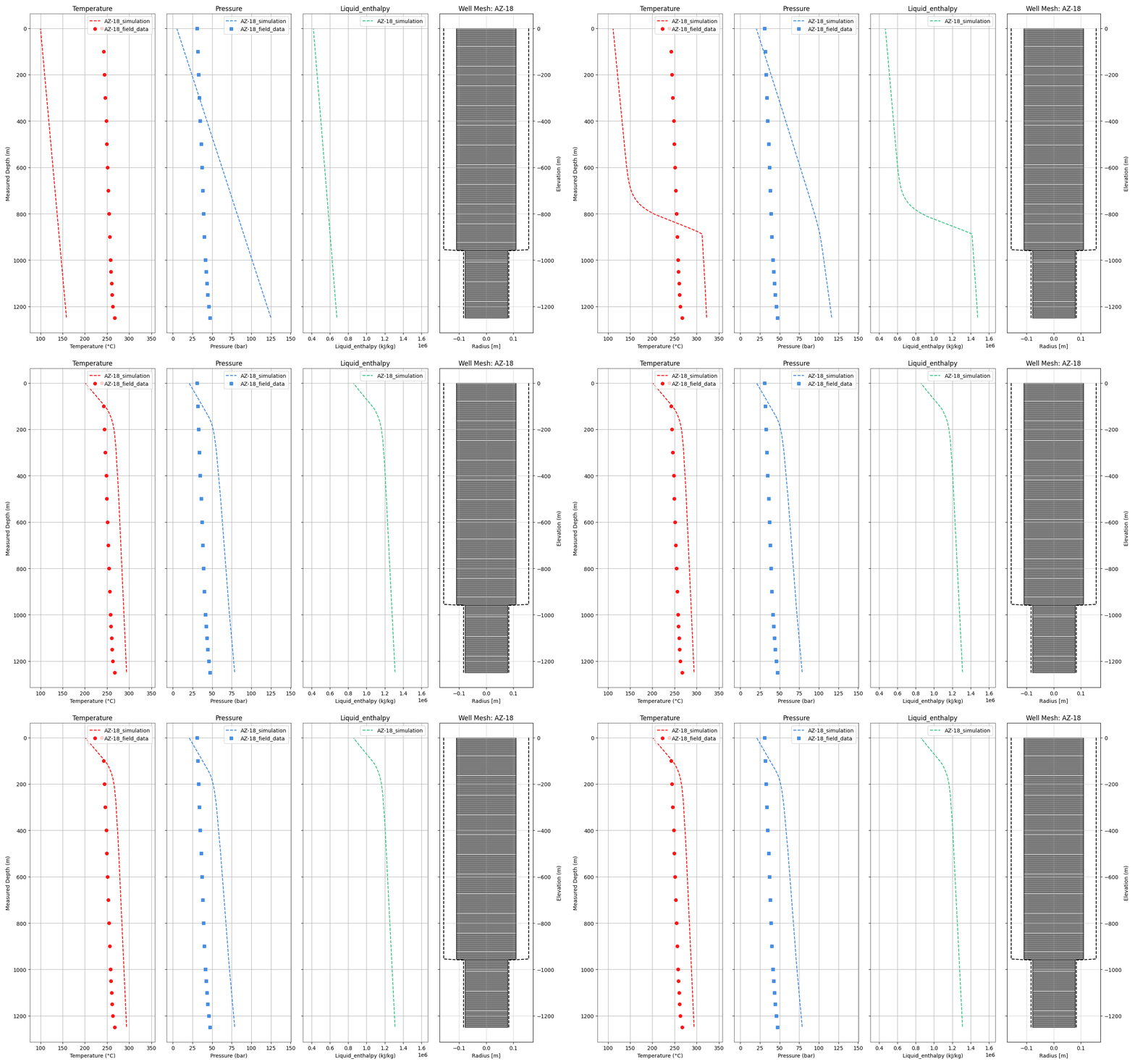
Well logging — PTS & ABI
Pressure-temperature-spinner (PTS) and acoustic borehole imaging (ABI) logging services to characterise feed zones and confirm wellbore integrity.
Downhole pressure monitoring systems
Design and installation of continuous downhole reservoir-pressure monitoring systems, giving an early, direct read on reservoir response rather than inferring it from surface data alone.
Calcite inhibition systems
Design and installation of calcite (CaCO3) inhibition systems for production wells, preventing scale-related output decline before it starts rather than treating it after the fact.
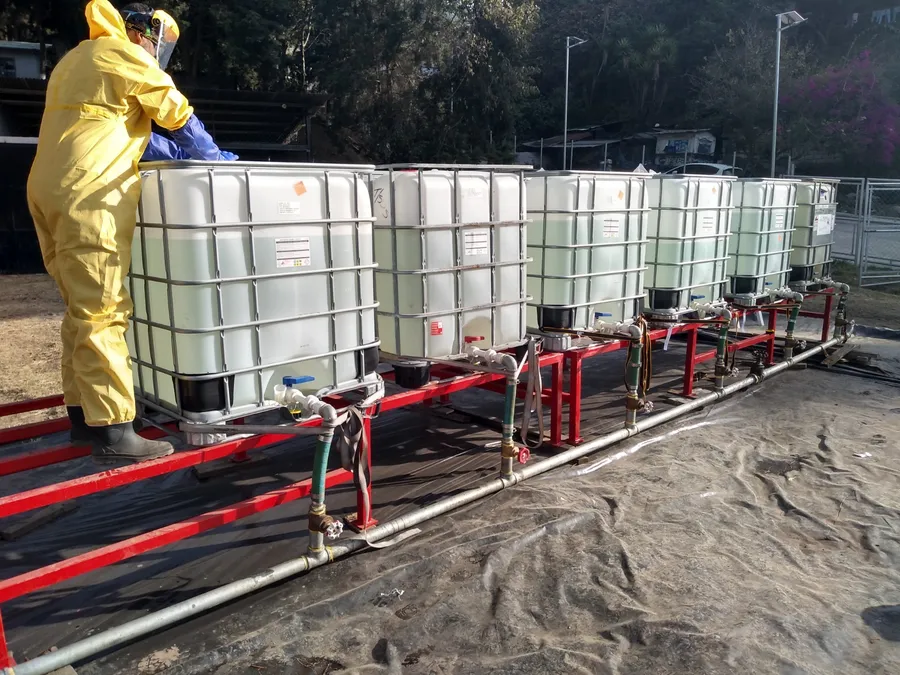
Injection-well chemical clean-outs
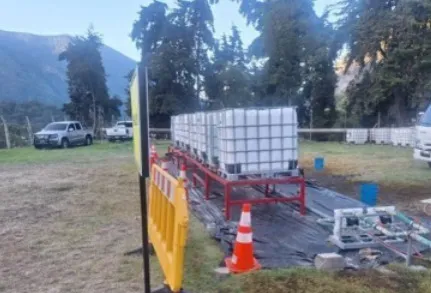
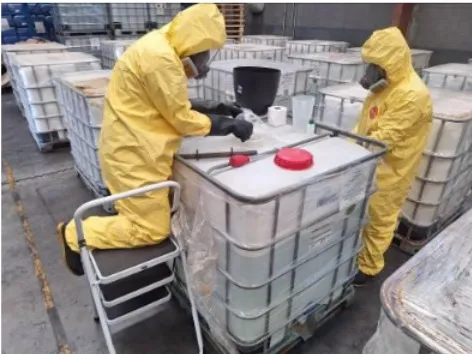
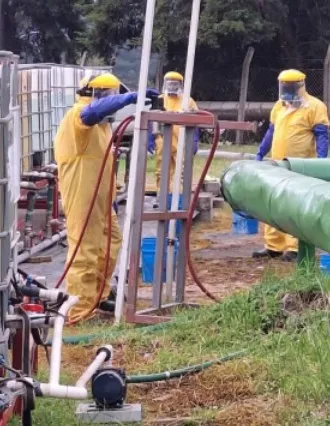
Low-cost caustic treatment programs to remove silica and other scale from reinjection wells, restoring injectivity without a workover rig.
An injection-well clean-out, start to finish.
Low-cost caustic treatment programs to remove silica and other scale from reinjection wells, restoring injectivity without a workover rig. Identifying field and client names have been removed; the work itself is unchanged.